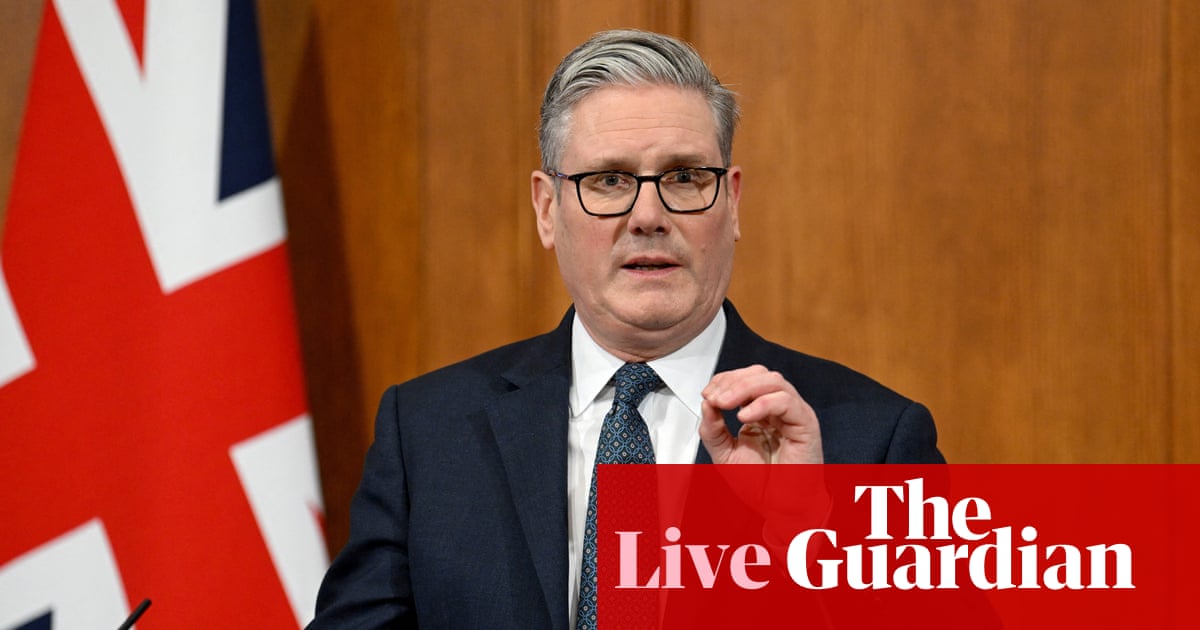
Starmer's Urgent Address: UK Reinforces Middle East Defences Amid Rising Tensions
In a critical moment for UK foreign policy and national security, Sir Keir Starmer has delivered a significant update on the unfolding Middle East war, confirming urgent measures to bolster British military assets and expedite the repatriation of UK nationals. The Labour leader's address comes as the region faces escalating instability, particularly after a series of drone attacks on British military installations in Cyprus. This proactive stance aims to reassure a worried nation and demonstrate the UK's commitment to protecting its interests and citizens amidst a volatile geopolitical landscape.
The situation in the Middle East has become a focal point of concern for people across the UK, prompting Starmer to provide a direct update on the government's comprehensive response. His announcements underscore a dual strategy: reinforcing military capabilities to deter aggression and safeguard allies, while simultaneously prioritising the safety and return of British citizens caught in the crossfire. This nuanced approach highlights the complexities of managing international crises, balancing robust defence with compassionate humanitarian efforts.
Reinforcing Air Defences: UK Fighter Jets and Naval Assets Deployed
A cornerstone of Starmer's update involved the immediate reinforcement of the UK's air defence capabilities in the Middle East. This deployment follows recent drone attacks, including a notable incident where an Iranian-made Shahed drone, reportedly launched from Beirut, struck a hangar at RAF Akrotiri in Cyprus. Such attacks have heightened calls for a more robust and immediate British military presence.
Key deployments confirmed include:
- RAF Typhoon Jets: These highly capable multi-role fighter aircraft have already flown missions to defend critical allies, including Qatar, and are pivotal in intercepting hostile drones. Their presence signifies a tangible escalation of the UK's aerial protective shield.
- F35 Fighter Jets: Alongside Typhoons, F35s, known for their stealth capabilities and advanced sensor fusion, have also been deployed. These fifth-generation aircraft provide an additional layer of defence, enhancing surveillance and strike capabilities in a complex operational environment.
- HMS Dragon: The formidable Type 45 air defence destroyer, HMS Dragon, is being readied for deployment to the region. While its arrival is anticipated for next week, its presence will significantly boost naval air defence capabilities, particularly around Cyprus.
- Wildcat Helicopters: Equipped with advanced anti-drone technologies, these versatile helicopters have been dispatched to Cyprus and are expected to arrive sooner than the naval destroyer, offering immediate close-range protection against aerial threats.
Defence Secretary John Healey, concurrently holding discussions with his Cypriot counterpart Vasilis Palmas, has been instrumental in coordinating these deployments, focusing on reinforcing shared security measures. The rapid deployment of these assets reflects a clear intent to project strength and protect strategic interests in a region vital to global stability. For a deeper dive into the specifics of these deployments and the ongoing scrutiny, read our analysis on UK Military Deployment Faces Scrutiny Amid Middle East Drone Attacks.
Addressing Criticisms: The Urgency of the UK's Response
Despite the rapid announcements, the UK's response to the escalating situation has not been without criticism. Sir Keir Starmer's spokesman has had to address accusations that the government initially failed to deploy sufficient military assets to the Middle East, particularly after the drone strike on RAF Akrotiri.
Kyriacos Kouros, the Cypriot High Commissioner to the UK, articulated a sentiment shared by many, stating that a robust British military presence to defend the island was "the least we expect." He pointed to the swift actions of other European nations, noting the arrival of Greek frigates and aircraft, and the imminent presence of French naval assets. Italy, the Netherlands, and Spain are also reportedly sending naval support to protect Cyprus, highlighting a coordinated international effort where the UK's initial response appeared comparatively slow.
The delay in HMS Dragon's deployment, taking "more than a week" to arrive, contrasts sharply with the immediate needs on the ground. This has raised questions about the UK's readiness and agility in responding to dynamic threats. From a strategic perspective, the perception of delayed action, even if militarily justified by logistical complexities, can undermine confidence among allies and potentially embolden adversaries. It highlights a critical challenge for any major power: maintaining high-readiness forces capable of rapid global deployment in an age where threats can materialize almost instantly.
The Logistical Realities of Military Mobilisation
While criticism of the UK's speed is valid, it's also important to acknowledge the inherent logistical challenges in deploying significant military assets. Naval vessels and specialized aircraft require preparation, crew readiness, and often extensive transit times. For instance, a Type 45 destroyer like HMS Dragon is a complex warship, and readying it for a long-distance deployment involves meticulous checks, provisioning, and crew training refreshers. Similarly, establishing air superiority or comprehensive anti-drone capabilities takes more than just sending planes; it requires ground support, intelligence coordination, and strategic positioning.
However, the comparison with other European nations' quicker deployments suggests that there might be room for improvement in the UK's rapid reaction capabilities or pre-positioned assets for such contingencies. The ongoing scrutiny serves as a valuable opportunity for the Ministry of Defence to review and potentially streamline its mobilisation protocols to ensure optimal responsiveness in future crises.
Prioritising British Nationals: Repatriation Efforts Underway
Beyond military strategy, a critical component of Starmer's update focused on the safety of British citizens in the region. He confirmed that the first repatriation flight for British nationals has successfully departed from Oman, a significant step in the ongoing efforts to bring those affected by the conflict safely back home.
Repatriation efforts are complex operations, requiring intricate coordination between diplomatic missions, military resources, and humanitarian agencies. They involve identifying and locating citizens, securing safe passage, and providing necessary support during their journey. This process often includes collaboration with neighbouring countries to establish transit hubs, as seen with the flight departing from Oman.
For British nationals currently in or considering travel to the Middle East, the Foreign, Commonwealth & Development Office (FCDO) provides crucial, up-to-date travel advice. Practical tips include:
- Registering with the Embassy: Ensure your details are registered with the nearest British embassy or consulate. This allows them to contact you in an emergency and provides a better understanding of how many UK citizens are in the region.
- Monitoring FCDO Advice: Regularly check the FCDO website for the latest travel warnings, specific advice for each country, and any changes in security assessments.
- Having an Emergency Plan: Develop a personal emergency plan, including routes to safe zones, contact numbers for family and the embassy, and copies of important documents.
- Maintaining Communication: Keep your mobile phone charged and inform family or friends of your whereabouts and plans.
These efforts underscore the dual commitment of the UK government: to protect its borders and allies militarily, and to safeguard the lives of its citizens abroad. Starmer's emphasis on both aspects highlights a comprehensive approach to the challenging realities of the starmer middle east war. For more details on the UK's broader response, including diplomatic efforts and citizen support, refer to Starmer Details UK Middle East War Response Amid Drone Attacks.
Conclusion: A Nation Addressing Global Unrest
Sir Keir Starmer's urgent address to the nation serves as a stark reminder of the UK's interconnectedness with global events, particularly the ongoing Middle East war. His confirmation of increased UK fighter jet deployments and the launch of repatriation efforts demonstrates a resolute commitment to both national security and the welfare of British citizens. While questions persist regarding the speed and initial scale of the UK's military response, the swift corrective actions and ongoing diplomatic engagements signal a determined effort to mitigate risks and restore stability.
As the situation in the Middle East continues to evolve, the UK's dual strategy of robust defence and compassionate humanitarian aid will remain paramount. The coming weeks will undoubtedly test the agility and resilience of the UK's foreign and defence policies, with the safety of its personnel and citizens at the forefront of its operational priorities.